

Recommended
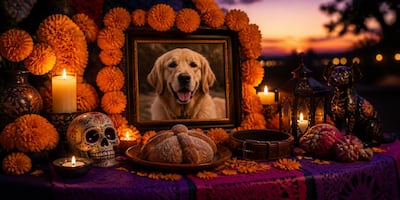
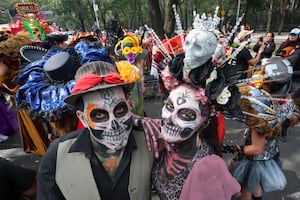

The Day of the Dead is one of Mexico's most emblematic traditions, recognized by UNESCO as Intangible Cultural Heritage of Humanity. This celebration honors deceased loved ones under the belief that their souls temporarily return to the world of the living to spend time with their families.
When should the Day of the Dead offering be set up?
The traditional Day of the Dead calendar includes different dates to welcome different types of souls:
October 27: The souls of dogs and other pets return on October 27 to visit their homes and reunite with those who loved them in life.
October 28: Souls of those who died in accidents or those who never reached their destination are welcomed.
October 29: A day dedicated to those who drowned.
October 30: A day to remember forgotten souls or those without family, such as orphans or criminals who had no one to bid them a final farewell.
October 31: Souls of people or children with original sin arrive; they are in limbo and were not condemned to hell, such as those who were never born or were not baptized before dying.
November 1: Known as All Saints' Day, it is when deceased children are received.
November 2: All Souls' Day, dedicated to deceased adults.
Therefore, the offering should be placed according to the type of deceased person you wish to receive, although the most common days to set it up are November 1 and 2. If the offering is for adults, it should be ready by the night of November 1.
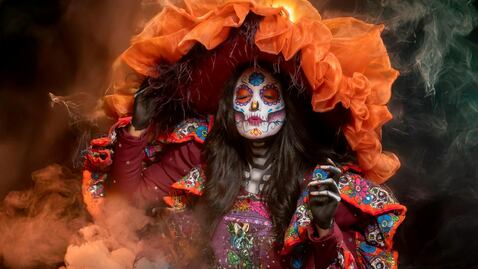
What is the origin of the offering?
Offerings have pre-Hispanic roots. Before the arrival of the Spanish, native peoples placed objects in tombs to help the dead on their journey to the underworld, guarded by Mictlantecuhtli, the god of death.
With the Spanish Conquest, these practices merged with Catholic traditions, giving rise to current altars that combine indigenous and religious elements.
What elements does the Day of the Dead offering include?
Each altar is unique, but there are elements that are repeated due to their profound symbolism:
Water: To quench the souls' thirst and represent purity.
Salt: Purifies and protects the body in its transition.
Candles: They light the path back. Four candles in a cross shape represent the cardinal directions.
Copal and incense: Cleanse the environment of evil spirits.
Cempasúchil flower: Its yellow color guides the souls. Petals are placed from the entrance to the altar.
Petate: A straw mat for the deceased to rest on.
Pan de muerto: Represents the body of Christ and the memory of the deceased.
Photographs: Personalize the offering and connect with the loved one.
Chocolate water: In pre-Hispanic tradition, it was used to absorb the essence of the deceased.
Sugar skulls: Symbolize the constant presence of death.
Religious images: Represent the connection between the living and the dead.

Levels of the Day of the Dead altar
The altars can have different levels:
Two levels: Heaven and earth.
Three levels: Heaven, earth, and the underworld.
Seven levels: Represent the steps the soul must take to reach eternal rest.
Be part of our WhatsApp channel. VIVE USA is now available! Stay informed on your mobile device about the most relevant news regarding travel, work, life in the United States and Canada, celebrities, trends, and much more.

[Publicidad]