

Recommended



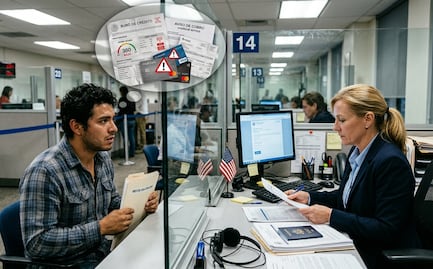
Applying for a US visa for the first time usually raises many questions, especially regarding the consular interview, one of the most important steps in the process. Although many people believe that the officer is looking for perfect answers or elaborate stories, the reality is much simpler: the consul wants to verify that your trip is temporary, that you have legitimate reasons to visit the United States, and that you will return to your country once your stay is concluded.
The interview usually lasts just a few minutes. In that brief time, the consular officer will evaluate if the information you provided in the DS-160 form matches your answers and if you meet the requirements to obtain a visitor visa.
The main objective of the interview
One of the most important aspects the consular officer analyzes is the intent of the trip. US immigration law establishes that applicants for non-immigrant visas must demonstrate that they are traveling for a limited period and that they have sufficient reasons to return to their country of residence.
Recommended

Canadá abre una puerta a la residencia permanente: hasta 100 mil trabajadores podrán regularizar su estatus en 2027
Guía del CBX para cruzar a Estados Unidos: Cómo funciona, cuánto cuesta y cuáles son los requisitos
¿Qué pasa si haces una broma sobre una bomba en un avión en Estados Unidos? Estas son las consecuencias
For this reason, many of the questions may seem simple, but they are designed to understand your personal, professional, and economic situation. Rather than memorizing answers, the important thing is to respond honestly and maintain consistency with the data you previously registered in your application.
The questions the consul usually asks
Although each case is different, there are some questions that appear frequently during tourism visa interviews.
Where are you traveling and why?
The officer usually starts by asking what the purpose of your trip is and what places you plan to visit in the United States. If your intent is tourism, it is enough to explain it clearly and directly, mentioning the cities or attractions you wish to see.
How long will you stay in the United States?
It is also common for them to ask for the approximate dates of your trip and how long you will stay in US territory. Your answers must match the information provided in the DS-160 form.
Who will pay for the trip?
The consul wants to know how you will finance your vacations or activities in the United States. Therefore, they may ask you if you will cover the expenses with your income and savings or if a family member will be responsible for the trip. The key is that there is consistency between your financial resources and the travel plan presented.
Where do you work and since when?
Job stability is one of the elements that officers take into account. It is common for them to ask for information about your current job, position, seniority, and duties. These data help demonstrate that you have significant ties to your country and reasons to return after your visit.
Do you have family in the United States?
Another frequent question is related to family members or friends living in the United States. Authorities recommend always answering truthfully, as hiding information can negatively affect the evaluation of the application.
What the consular officer is really evaluating
Beyond the specific questions, experts agree that the consul usually focuses on three fundamental aspects: the purpose of the trip, the economic capacity to carry it out, and the ties that keep the applicant in their country of residence, such as employment, studies, family, or property.
Therefore, a brief, clear, and consistent answer is usually more effective than an extensive explanation. Officers have access to your application information and seek to detect consistency between what was declared and what is expressed during the interview.
Tips for those applying for a visa for the first time
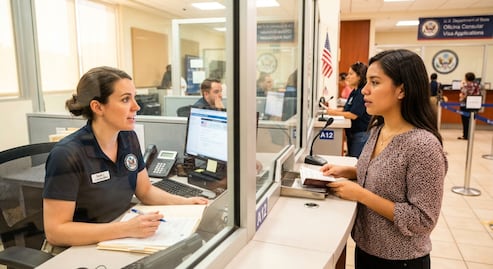
If this is your first interview for a US visa, the Department of State recommends providing truthful and complete information throughout the entire process. Likewise, various specialists point out that it is important to be well-acquainted with the data included in the DS-160 form to avoid contradictions on the day of the appointment.
Having a clear itinerary, knowing the duration of your trip, explaining simply what you do for a living, and answering honestly are aspects that can help you convey confidence during the interview. In the end, the consul's goal is not to set traps, but to determine if the applicant meets the conditions to receive a temporary visitor visa.
Join our WhatsApp channel. VIVE USA is now available! Stay informed on your mobile device about the most relevant news regarding travel, work, life in the United States and Canada, celebrities, trends, and much more.

[Publicidad]