

Recommended

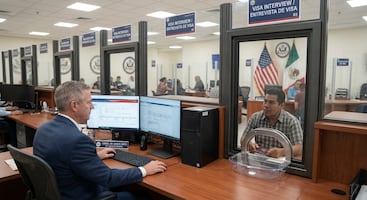

Obtaining a B1/B2 American tourist visa does not depend solely on completing the form and attending the interview. According to the United States Department of State, consular officers evaluate each case individually to determine whether the applicant meets the requirements established by U.S. immigration law.
Although every application is different, there are mistakes that can generate suspicions, delays, and even an almost immediate denial during an interview that, in many cases, lasts only a few minutes. These are some of the most common mistakes.
1. Lying or providing false information
One of the most serious mistakes is falsifying information regarding employment, income, marital status, immigration history, or reasons for travel. Consular officers have access to databases and previous applications, so inconsistencies are usually detected quickly. The information provided on the DS-160 form and during the interview must be truthful and consistent.
2. Having inconsistencies between the DS-160 and your answers
If you give different answers during the interview than those you provided on the DS-160 form, the officer may interpret this as confusion or a lack of honesty. The Department of State points out that the form must be completed accurately and completely.

3. Failing to demonstrate strong ties to Mexico
Tourist visas are for temporary visits. Therefore, the consular officer looks for evidence that the applicant has reasons to return to their home country, such as stable employment, businesses, family, education, or property. A lack of these ties can affect the evaluation of the case.
4. Not knowing the true purpose of the trip
Responding vaguely or contradictorily about why you want to travel to the United States can raise doubts. Applicants must be able to explain clearly if the trip will be for tourism, shopping, business, family visits, or any other activity permitted by their visa category.
5. Submitting an incomplete DS-160 form
The Department of State itself warns that incomplete or incorrect answers may force the applicant to correct information and even reschedule appointments. A poorly prepared form can delay the process or complicate the interview.
6. Hiding previous visa denials
Many applicants believe that a previous denial will not appear in the system. However, previous applications are part of your immigration history. Not declaring a previous rejection can be considered a significant omission.
7. Not remembering basic information about your employment
Employment and economic situation are relevant elements for evaluating a visa application. If a person cannot explain where they work, how long they have been working there, or what their job duties are, the officer may dig deeper into the subject to verify the information.
8. Showing an intent to live in the United States
Expressing plans to work without authorization, reside permanently, or stay longer than permitted can be an immediate red flag. Tourist visas are designed for temporary travel and not for emigrating.
9. Arriving without the required documents
Although carrying a huge folder does not guarantee approval, it is important to have mandatory documents such as a valid passport, DS-160 confirmation, and appointment receipts when required. Incomplete documentation can lead to delays or prevent the process from moving forward correctly.
10. Responding in a nervous or contradictory manner
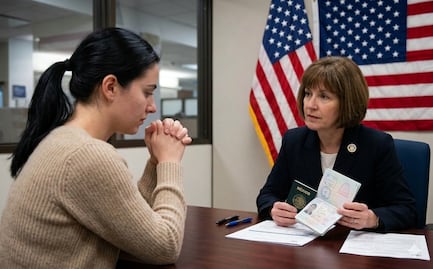
Nervousness alone does not cause a denial, but confusing, evasive, or contradictory answers can raise doubts about the applicant's credibility. During the interview, officers look for clear, direct, and consistent answers compared to the information previously presented.
Can the interview really last less than five minutes?
Yes. Tourist visa interviews are usually brief. The consular officer has typically already reviewed much of the information provided on the DS-160 form before the conversation begins. The interview is used to confirm data, clarify doubts, and evaluate the applicant's eligibility.
The best strategy to increase your chances of obtaining an American visa is not to memorize answers or present large amounts of documents, but to provide truthful information, correctly complete the DS-160 form, and respond honestly during the interview.
Be part of our WhatsApp channel. VIVE USA is now available! Stay informed from your mobile device about the most relevant news regarding travel, work, life in the United States and Canada, celebrities, trends, and much more.

[Publicidad]