

Recommended





The U.S. Supreme Court agreed on Friday to analyze President Donald Trump's ban on asylum at the southern border, a cornerstone of the Republican president's broad crackdown on immigration.
The Trump administration is asking justices to overturn lower court rulings that found the executive order banning asylum claims to be illegal. This is the latest in a series of immigration cases brought before the high court.
Federal law grants individuals the right to apply for asylum if they fear persecution in their home countries, regardless of how they arrived in the United States.
Recommended

¿Se acerca un apagón mundial? Estados Unidos emitirá una alerta en radio y televisión el 17 de noviembre

¿Por qué se cayó Microsoft en todo el mundo? ¿Fue un ciberataque? La empresa revela la causa de las fallas

¿El cónsul ya decidió antes de que termine la entrevista de visa americana? Esto revelan las reglas consulares

Mexicanos en EU: ¿pueden renovar su licencia de conducir sin viajar a México? Esto dice la SRE
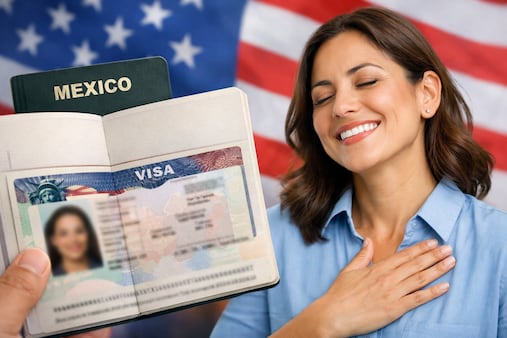
Entrevista de visa americana: Las respuestas que más convencen al cónsul de que regresarás a México después de tu viaje
At the same time, it also allows the executive branch to decide whether asylum is granted to individuals. The Trump administration argues that it can categorically deny asylum to migrants covered by the order and that it should not have to accept applications destined to be rejected.

Federal lawyers state that processing times, which stretched for years, had contributed to a large influx of migrants at the southern border, as many were released within the country while waiting for a decision.
But immigration lawyers from the American Civil Liberties Union and the National Immigrant Justice Center counter that border crossings were already on the decline before Trump took office.
They maintain that the executive order is an illegal attempt to unilaterally "dismantle" legal protections intended to shield people fleeing danger in their home countries.
The executive branch decides whether to grant asylum, which allows people to live and work legally in the United States. But, as immigration lawyers argue, those decisions are supposed to be made on a case-by-case basis, and the law does not permit the president to unilaterally block people from even filing an application.
The asylum ban is part of a series of immigration restrictions the Republican president implemented after his return to office in 2025. It has remained in effect during the litigation.
The justices are expected to hear the case in the coming months and issue a decision no later than the end of June.
It is the third major immigration case the high court will hear in this term. The justices will also decide whether individuals can be quickly deported to countries other than their places of origin and whether immigrants can be detained indefinitely during deportation proceedings.
The justices ruled on another asylum case in favor of the administration earlier this year, clearing the way for the Trump administration to reactivate a "metering" policy that has been used in previous years to turn away immigrants.

[Publicidad]