

Recommended

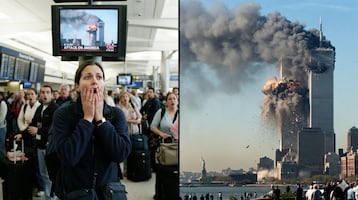
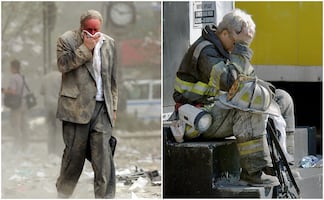
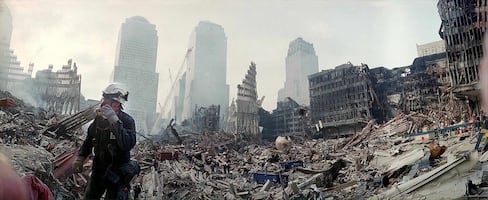
The New York City Department of Health highlighted this Thursday two decades of research into the long-term effects of the September 11, 2001 attacks conducted by the World Trade Center (WTC) Health Registry, one of the longest-running follow-up studies in the world following one of the greatest catastrophes in United States history.
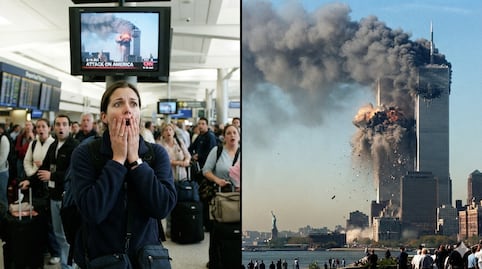
More than 71,000 people who were in the area of the attacks or participated in response efforts are enrolled in the registry.
"The Registry has been essential to understanding the long-term health effects and to ensuring that those who were exposed continue to be cared for, heard, supported, and never forgotten," said the city's Health Commissioner, Alister F. Martin, in a statement.
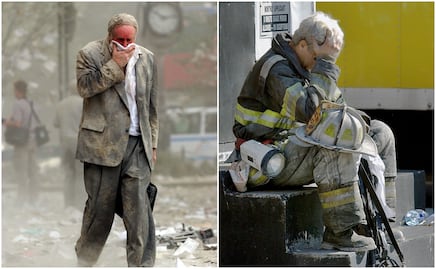
According to the statement, the research has helped identify and better understand physical health conditions related to 9/11, including asthma and other respiratory diseases, gastroesophageal reflux disease (GERD), and cancer.
It also includes post-traumatic stress disorder (PTSD) and depression, as well as emerging conditions such as autoimmune diseases, hearing problems, and cognitive impairment, which have been reported over the 25 years since the attacks, marking this Friday.
Research by the Registry—created in November 2001—has shown that PTSD symptoms are among the most common health effects, and that nearly 20% of registered adults have experienced them, a rate four times higher than PTSD in the general population.
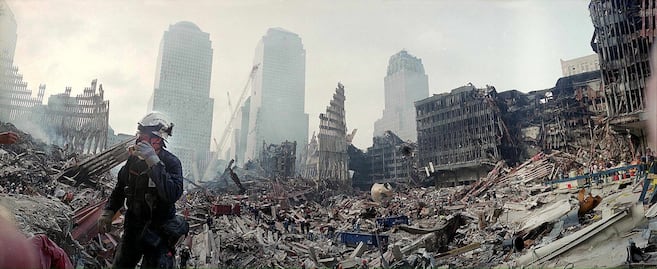
Furthermore, it has revealed that individuals who were children when they lived through the attacks directly are twice as likely to develop asthma compared to the general population of the state, and they also face a higher risk of suffering from depression.
The Department of Health noted that since its inception, the Registry has tracked the symptoms and conditions of enrolled individuals associated with dust exposure after the attacks.
These conditions include respiratory disorders such as asthma, chronic obstructive pulmonary disease (COPD), pulmonary fibrosis, sarcoidosis, and autoimmune diseases, as well as cardiovascular diseases, cancer, and hearing loss.
One of the emerging effects discovered recently is the increase in cognitive impairment. Multiple studies have revealed that exposure to the 9/11 dust cloud was significantly associated with this condition, and a Registry study revealed that confusion and memory loss affect more than 1 in 5 participants.
Looking ahead, the research's areas of focus include aging and cognition, emergency preparedness, the consequences of experiencing multiple catastrophic events, and the continued monitoring of enrollees who were minors at the time and are now adults.

[Publicidad]