

Recommended

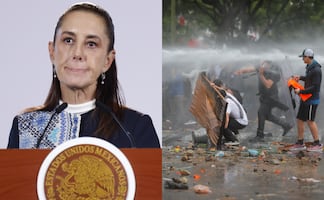



Amidst a wave of protests over staff shortages, lack of medical supplies, and working conditions in public hospitals in Mexico, employees of the Mexican Social Security Institute (IMSS) rejected a 6.8% salary increase proposal for the 2026-2027 period, which led the government of Claudia Sheinbaum to open a new negotiation.
The rejection came after the majority of participants in a union consultation held on Wednesday voted against the increase, which included 2.9% directly to the salary and 3.9% in labor benefits, an offer that dissident sectors consider insufficient and are seeking to raise to at least 10%.

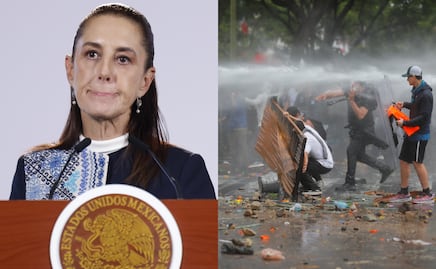
In light of this, Sheinbaum reported at a press conference that she instructed the director of the IMSS, Zoé Robledo, to establish "a working group and seek alternatives to be able to provide a better proposal," after the majority of employees who participated in a union consultation on Wednesday voted against the proposed increase.
"It was a free vote and the workers for the most part said that the union should sit (to negotiate) a new proposal again. This salary increase is not accepted," the president explained.
The Mexican president specified that between today and tomorrow, Friday, Robledo will work on a better proposal to present to the union base.
The rejection was acknowledged in the early hours by Rafael Olivos, general secretary of the National Union of Social Security Workers (SNTSS), who announced in a message on social media that he would request to resume talks with IMSS authorities.
"The majority of those who participated decided not to approve the salary proposal," Olivos stated, without specifying the results of the vote.
Olivos assured that the union will respect that decision, while announcing that they will ask to reopen the negotiation table to seek better salary conditions.
He also explained that the proposal had been negotiated with the IMSS based on agreements approved by the SNTSS National Congress, and acknowledged that there are differences within the union but called for "unity."

Warning of possible new mobilizations
Dissident union workers announced, for their part, that mobilizations could continue in 15 days if an agreement is not reached.
In a statement released by the media, the union dissidents demanded to "restart the renegotiation of the salary agreement with a decent increase of no less than 10% and in line with the real needs of the workers."
The proposal, previously negotiated between the IMSS and the SNTSS leadership, included a global increase of 6.8%, consisting of 2.9% directly to the tabular salary and 3.9% corresponding to labor benefits.
The consultation was held on Wednesday, following several days of demonstrations carried out since October 8 by active workers, medical staff, and retirees of the public health system in the streets of the Mexican capital and other locations to demand better supplies, filling of vacant positions, and salary improvements.
Workers from IMSS-Bienestar have also joined the protests; since Tuesday, they have been demanding payment of pending benefits, better working conditions, more staff, and respect for union freedom.
However, although both movements share some demands, they are distinct conflicts.
The IMSS, one of the main public health and social security institutions in Mexico, serves millions of workers and their families, while IMSS-Bienestar offers free medical care to people without social security.

[Publicidad]