

Recommended
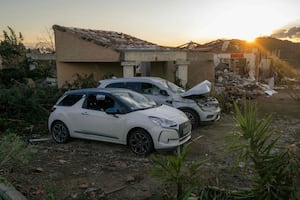






After 41 days of rescue work following the earthquake in Venezuela, the Mexican group "Topos Azteca" traveled directly to Colombia to collaborate on the emergency caused by the recent earthquake, defying international protocols and procedures which, it asserts, can delay aid during the critical first hours of a catastrophe.
Faced with the Colombian government's request not to receive more foreign brigades and the demands for certification from international organizations for search and rescue teams, the Mexican volunteers chose to mobilize independently and join the efforts on the ground.
In a press conference this Monday in Mexico City, the brigade's leader, Héctor 'El Chino' Méndez, defended the decision to act autonomously, without waiting for government endorsements, international accreditations, or diplomatic arrangements.


“We, the Moles, are not governed by UN regulations; we are governed by the heart, by solidarity, by love, and by empathy,” stated the veteran rescuer, known as the "Head Mole."
"I don't ask for permission"
The Mexican brigade advocates for a rapid intervention strategy, using lightweight equipment and without depending on the large logistical structures that accompany some international missions.
“We go straight to the heart of the action, that's how we Moles are, I don't ask for permission,” affirmed 'El Chino,' who reaffirmed the autonomy with which the group mobilizes to areas affected by earthquakes and other catastrophes.
The collective also emphasized that relief work must maintain a strictly humanitarian character and rejected that it could be used to obtain economic benefits, publicity, or fame.
“One does not live off this, one lives for this; rescue is a humanitarian job, not a death industry,” sentenced the brigade leader, who also questioned other Mexican groups, including 'Topos Tlatelolco,' which did not travel to Colombia.
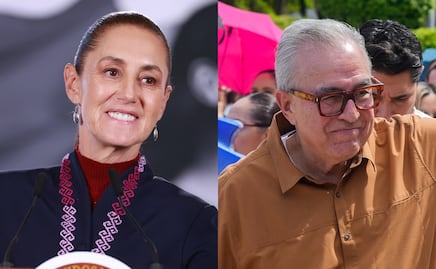
Despite recalling that the Mexican president, Claudia Sheinbaum, participated as a university volunteer after the 1985 earthquake, 'El Chino' refused to depend on logistical or transportation support from the federal government, considering that maintaining that distance allows the group to preserve its independence and avoid official paperwork.
Support from Colombians
During their stay in Colombia, the rescuers claimed to have had the backing of the population and a network of volunteers who helped them quickly obtain essential equipment, such as thermal cameras and concrete-breaking tools.
The members of the brigade faced extensive work days, in which they fought exhaustion through hydration, resting when possible, and internal discipline to keep the emotional impact of working among destroyed buildings and victims under control.
"When it's something you love, there are no limits," declared Ana Karen Torres to EFE, a volunteer paramedic with "Topos Azteca" for over a year, who has temporarily put aside work and family commitments to participate in the missions.
After concluding their tasks and verifying that Colombian teams could continue the pending work, the brigade returned to Mexico the day before, following a mission that began with emergency work in Venezuela and continued practically without rest in Colombia.



[Publicidad]