

Recommended
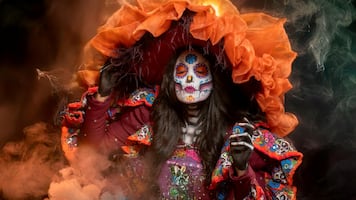

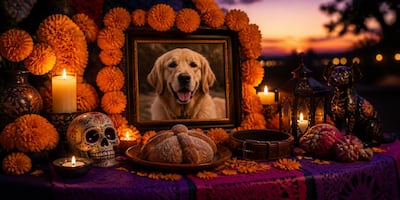
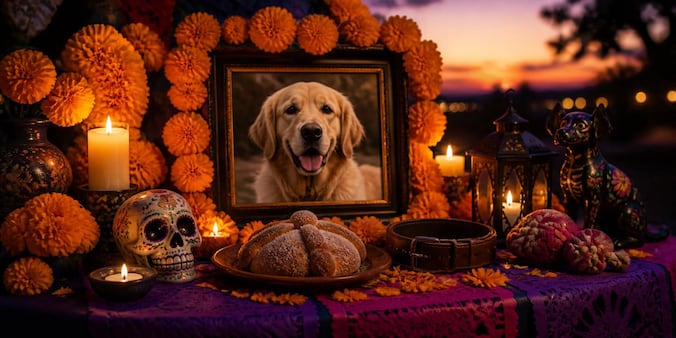
Every year, millions of Mexican families prepare altars, place cempasúchil flowers, and light candles to welcome their loved ones during the Day of the Dead.
However, few people know that this celebration is divided into specific dates, each dedicated to different types of souls. Among them is November 1, known as All Saints' Day, a day especially dedicated to deceased children, also called "little dead ones".
This tradition is part of one of Mexico's most important cultural expressions. According to popular belief, souls temporarily return to the world of the living to reunite with their families, who welcome them with offerings full of meaning, food, flowers, photographs, and items they enjoyed in life.
Recommended
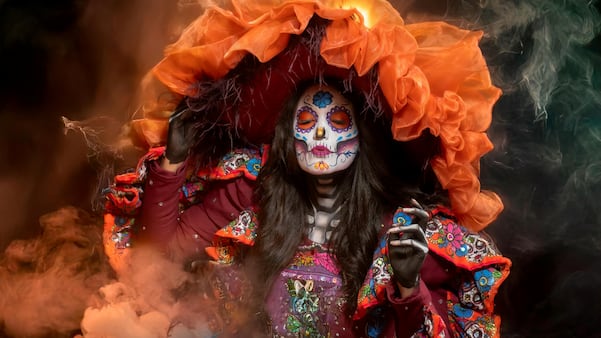

What is All Saints' Day?
November 1 is when All Saints' Day is celebrated, a date on which, according to Mexican tradition and the guidelines set by the Government of Mexico, the souls of deceased children and those who lived exemplary lives return.
Meanwhile, November 2, known as All Souls' Day or Day of the Dead, is dedicated to the arrival of the souls of adults.
The celebration has pre-Hispanic roots. According to the Secretariat of Agriculture and Rural Development, the Mexica people performed ceremonies to honor their dead after the harvests, between September and November. With the arrival of the Spanish, these practices merged with Catholic festivities, giving rise to the tradition that is preserved to this day.
When do children arrive during the Day of the Dead?
Popular tradition indicates that souls return in stages between October 28 and November 2.
Day of the Dead Calendar
October 28: Those who died accidentally or those whose souls could not complete their journey arrive.
October 29: Those who drowned are remembered.
October 30: Forgotten souls arrive—people without family or anyone to say goodbye to them.
October 31: It is the turn of children who died before being baptized.
November 1: Day of the Holy Innocents. The souls of deceased children arrive.
November 2: All Souls' Day. The souls of adults arrive.
What goes in the offering for children?
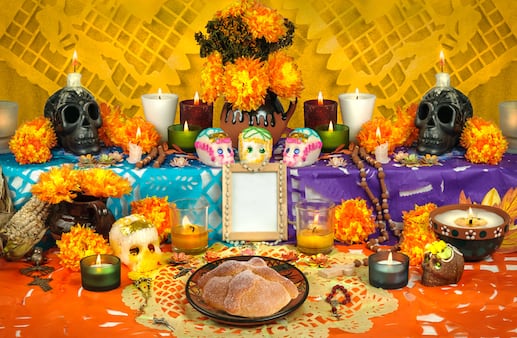
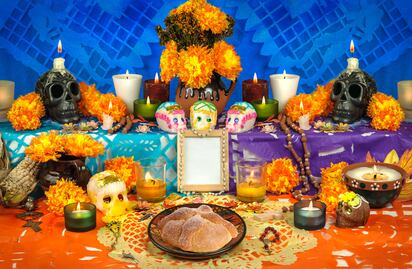
Offerings dedicated to little ones have different elements than those prepared for adults. According to the National Institute of Indigenous Peoples (INPI), these are some of the most representative items:
Food without chili
Food intended for children should not contain spicy or strong seasonings. Tradition holds that these ingredients could cause them harm.
White flowers and candles
The color white symbolizes the purity and innocence of deceased children, so both flowers and candles are usually placed in this shade.
Alfeñique sweets
Figures made with sugar are one of the most traditional elements of these offerings. Alfeñique is used to create little animals, flowers, coffins, baskets, and small representations related to the festivity.
Toys
It is customary to place the children's favorite toys so they can have fun during their symbolic visit home.
Miniature pan de muerto
One of the traditional recommendations is to offer small-sized pan de muerto. Fruits, small tortillas, and candied pumpkin can also be placed.
Water
This element is essential in practically all altars. It symbolizes life and serves to help the souls quench their thirst after the long journey from the spiritual world.
Beyond beliefs, the Day of the Dead represents an opportunity to remember those who are no longer here and keep their legacy alive. Each flower, photograph, candle, or dish placed on the offering seeks to honor the memory of loved ones and strengthen a tradition that has been passed down from generation to generation.
Therefore, when November 1, 2026 arrives, thousands of Mexican homes will once again light their altars to welcome the little ones, in one of the most emotional and significant dates of the Day of the Dead calendar.
Be part of our WhatsApp channel. VIVE USA is now available! Stay informed from your mobile device about the most relevant news regarding travel, work, life in the United States and Canada, celebrities, trends, and much more.

[Publicidad]