

Recommended
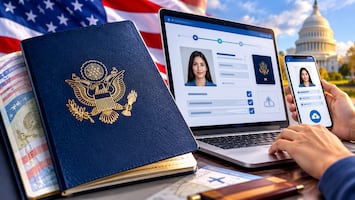


People planning to apply for a U.S. visa in the TN, TD, and I categories must take into account a new requirement related to their social media.
The U.S. Embassy in Mexico reported that, effective September 30, 2026, the U.S. Department of State will expand the review of the online presence of applicants for these visa types as part of its evaluation and security processes.
The diplomatic representation reminded applicants that they must keep their social media profiles set to public and ensure they include the usernames or URLs of the platforms they have used over the last five years in the DS-160 form. This measure is part of a verification policy that the U.S. government has gradually expanded to different immigration categories.
Which visas will be affected?
According to an official announcement published by the U.S. Department of State, the expanded review will apply to applicants for:
TN Visa, intended for Mexican and Canadian professionals covered by the Agreement between Mexico, the United States, and Canada (USMCA).
TD Visa, for dependent family members of TN visa holders.
I Visa, aimed at representatives of foreign media.
According to the federal agency, all applicants in these categories must set their social media privacy to “public” or “open” to facilitate the consular verification process.

Why does the United States review social media?
The U.S. government maintains that social media screening is part of its national security procedures. In its official statement, the Department of State indicated that it uses all available sources of information during the visa evaluation process to identify individuals who may be inadmissible or pose risks to public safety or national security.
The agency also emphasizes that every visa decision constitutes a national security determination and that applicants must credibly demonstrate that they meet the requirements of the requested immigration category and will respect the terms of admission to the United States.
Although the expansion for TN, TD, and I visas will begin to be implemented this year, social media data collection is not a new policy.
The Department of State recalls that since May 2019, it has updated visa forms to request social media identifiers from the majority of immigrant and non-immigrant visa applicants worldwide.
Since then, those filling out the DS-160 form must report usernames used on specific platforms during the last five years.

What should applicants do?
The U.S. Embassy in Mexico recommends that those planning to apply for a TN, TD, or I visa:
Keep all social media accounts set to public mode from the day of the interview until the visa is received.
Include all usernames, identifiers, or URLs of social media used during the last five years in the DS-160 form.
Ensure that the information provided is complete and truthful. Omitting data can lead to problems during the immigration process.
Do not make definitive travel plans until the visa is approved and physically in your hands.
Other visas are already subject to this review
The expansion for TN, TD, and I comes in addition to categories that were already subject to online presence reviews, including some student, academic exchange, temporary worker, and fiancé visas for U.S. citizens.
In fact, in 2025 the U.S. Embassy in Mexico had already asked F, M, and J visa applicants to set their profiles to public mode to facilitate identity and admissibility verification processes.
Be part of our WhatsApp channel. VIVE USA is now available! Stay informed from your mobile device on the most relevant news about travel, work, life in the United States and Canada, celebrities, trends, and much more.

[Publicidad]