

Recommended

Did you know that families in the United States can receive financial aid of up to $1,000 to cover their electricity and gas bills? This is possible through a federal program that seeks to support those who need it most. Learn about the participating states, the requirements, and how to submit an application.
Low-income families living in the United States can receive financial aid to pay their electricity, gas, and heating bills through a program known as LIHEAP (Low Income Home Energy Assistance Program).
This support is designed to reduce energy expenses for households facing financial difficulties, especially during seasons of extreme temperatures, when consumption of electricity and gas increases to keep a home warm or cool.
Recommended

Which states offer help to pay for electricity and gas in the United States?
Because it is a federal program, all 50 states in the United States participate in the LIHEAP program; this means you can apply for it in:
- Alabama
- Alaska
- Arizona
- Arkansas
- California
- Colorado
- Connecticut
- Delaware
- Florida
- Georgia
- Hawái
- Idaho
- Illinois
- Indiana
- Iowa
- Kansas
- Kentucky
- Luisiana
- Maine
- Maryland
- Massachusetts
- Michigan
- Minnesota
- Misisipi
- Misuri
- Montana
- Nebraska
- Nevada
- Nuevo Hampshire
- Nueva Jersey
- Nuevo México
- Nueva York
- Carolina del Norte
- Dakota del Norte
- Ohio
- Oklahoma
- Oregón
- Pensilvania
- Rhode Island
- Carolina del Sur
- Dakota del Sur
- Tennessee
- Texas
- Utah
- Vermont
- Virginia
- Washington
- Virginia Occidental
- Wisconsin
- Wyoming
To check the programs available in each entity, visit the LIHEAP Clearinghouse page.
What expenses does the LIHEAP program cover?
Depending on the state and the characteristics of the local program, the support can be used for:
- Ayudar con el pago de las facturas de energía del hogar, incluyendo electricidad, gas natural, propano, aceite de combustible o madera
- Brindar soporte de climatización
- Dar asistencia prioritaria para hogares sin (o en peligro de no tener) calefacción o aire acondicionado
- Proporcionar asistencia para reparar tu equipo de calefacción y refrigeración
- Proporcionar recursos y estrategias para ayudar a administrar el uso de energía y las facturas en el hogar
- Apoyo durante o después de un desastre natural.

The money is not necessarily given to the beneficiaries; according to authorities, the support is sent to the electricity company, gas company, or fuel provider so it can be applied as a credit to the user's account.
What are the requirements to receive LIHEAP assistance in 2026?
The requirements to request help to pay for electricity and gas depend on the state where the person lives. However, there are general conditions that are usually taken into account to determine if a household can receive the benefits:
-Having a low income
-The applicant must live in the state where they are submitting the application
-Demonstrate energy expenses
-Authorities will request data on how many people live in the household.
How much money does LIHEAP give to pay for electricity and gas?
There is no single amount for the entire United States. The amount of aid depends on factors such as the state where the applicant lives, the number of household members, or the type of energy the home uses.
For example, in Pennsylvania between 200 and 1,000 dollars are given to cover these expenses; in Los Angeles the amount is up to $1,500 dollars or in Arizona you can receive up to 640 dollars.

How to request help to pay for electricity and gas in the United States?
Interested individuals must submit their application to the state office or local agency in charge of administering LIHEAP.
Depending on the state, they may ask you for:
Official identification
Proof of address
Recent electricity or gas bill
Income verification for household members
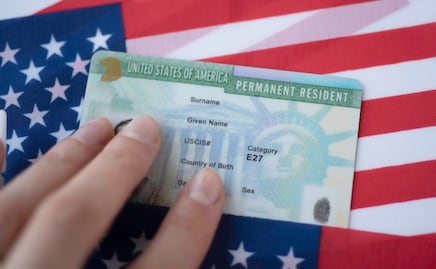
Can migrants apply for support to pay for electricity and gas?
According to the United States government, "aliens who meet the requirements, regardless of when they entered the United States, can receive LIHEAP program benefits provided they meet all other program requirements."

[Publicidad]