
Recommended




The United States heads to the polls this Tuesday for midterm elections, where the Republican majority in Congress—which supports President Donald Trump's agenda—is at stake, in addition to numerous state and local positions.
Unlike many other countries that hold elections on a Sunday, the United States maintains a tradition nearly two centuries old: federal elections take place on the Tuesday after the first Monday in November every four years.
- LEE MÁS: Elecciones de mitad de mandato 2026 en Estados Unidos: cómo registrarse para votar, requisitos y fechas límite
- LEE MÁS: Elecciones de medio mandato en EU: ¿Qué se vota el 3 de noviembre y por qué importan?
Thus, the last presidential election, in which Trump defeated Kamala Harris, was held on Tuesday, November 5, 2024, while the next one is scheduled for Tuesday, November 7, 2028.
Recommended
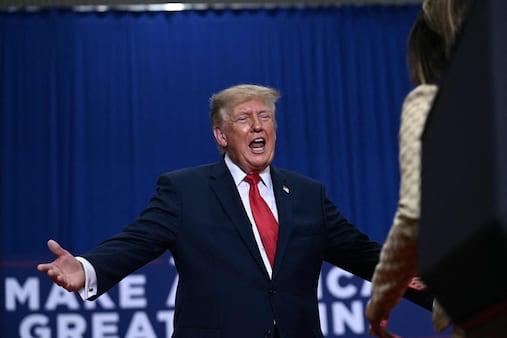
Elecciones intermedias en Estados Unidos: Trump pone en riesgo las mayorías republicanas por la guerra y el alza de precios
Hasta 1.5 millones de dólares de multa: Canadá anuncia castigos históricos por fraude en trámites migratorios

¿Vives en Estados Unidos y tienes problemas con tu estatus migratorio? Así puede ICE rastrear tus entradas y salidas

¿Una guerra o una crisis global? Por qué varios países recomiendan tener reservas en casa
In the case of the midterm legislative elections, the previous ones took place on Tuesday, November 8, 2022, and after today's, the next ones will be held on Tuesday, November 5, 2030.
An 1845 law
The peculiar date dates back to a law passed by Congress in 1845, which established a common day for presidential elections and was later extended to Congressional elections.
Until then, each territory could organize voting within a 34-day period before the electors met to appoint the president.
The disparity in dates created the risk that results known in the first states to vote might influence the decisions of voters in states that went to the polls later.
Why November
The choice of November and a Tuesday was not accidental: in the predominantly agricultural society of the 19th century United States, a date was sought that would not interfere with farm work and where the weather would allow for travel.
Spring and summer coincided with planting and growing seasons, while in early autumn, harvests were still underway. November therefore offered a window between the end of the harvest and the harshest winter months.
Why Tuesday
Tuesday was chosen for equally practical reasons: at the time, many citizens lived far from polling places and had to travel by horse or on foot, so they might require one day to arrive and another to return.
Sunday was ruled out because it was a day for church and rest, while Wednesday was traditionally market day for farmers.
The "Tuesday after the first Monday" formula also had a specific reason: to avoid having elections coincide with November 1st, a day of special work for merchants and accountants because it was the first day of the month.
A date that endures
Nearly two centuries later, the United States maintains this tradition, even though the social and labor context has changed radically.
One of the peculiarities of the system is that election day is not a holiday, so millions of Americans must balance work with voting.
This circumstance has boosted the use of early and mail-in voting, two methods that allow citizens to cast their ballot without having to wait until election day.

[Publicidad]