

Recommended
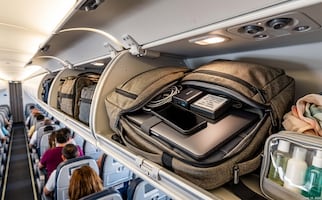


Traveling to the United States involves preparing documents, booking flights, and planning expenses, but is it mandatory to have health insurance to enter the country? No, although U.S. authorities and health organizations highly recommend considering coverage before starting your trip.
According to information from U.S. Customs and Border Protection (CBP), international visitors must comply with the corresponding immigration requirements, such as a visa or ESTA authorization where applicable, but the agency does not establish health insurance as a mandatory requirement for entry into the country.
Is health insurance required to enter the United States?
Currently, travelers entering as tourists are not legally required to present a health insurance policy at a U.S. port of entry. CBP officers are responsible for verifying the visitor's admissibility, their immigration documentation, and the purpose of the trip, but health insurance is not part of the general entry requirements.
However, they warn that traveling without medical coverage can represent a significant financial risk due to the high cost of care in the United States.

The Centers for Disease Control and Prevention (CDC) note that an illness or injury during a trip can generate significant expenses. The agency explains that many domestic medical policies do not cover treatments outside the country of origin or do so in a limited way, so it recommends reviewing available coverage before traveling.
Likewise, the CDC highlights that travel insurance can help cover medical care, hospitalizations, emergencies, and even medical evacuations, which can reach very high costs depending on the situation and the location where the traveler is.
What happens if you get sick in the United States?
The United States has one of the most advanced healthcare systems in the world, but also one of the most expensive. Therefore, health authorities recommend checking in advance which medical expenses would be covered by the insurer and which would have to be paid directly.
According to the Department of State, individuals are responsible for covering their own medical expenses when they are outside their country of residence. Although the information is aimed primarily at U.S. citizens traveling abroad, the recommendation reflects the importance of having coverage to face unexpected medical emergencies.
What type of insurance should you get?
The CDC identifies three main types of protection for travelers:
- Seguro médico de viaje.
- Seguro por cancelación o interrupción del viaje.
- Seguro de evacuación médica.
The agency recommends carefully reviewing the policy conditions to confirm that it includes emergency care, pre-existing conditions where applicable, planned activities during the trip, and care at the destinations that will be visited.
In addition to medical coverage, some policies offer protection against cancellations, delays, or trip interruptions. This can be useful considering that the U.S. Department of Transportation (DOT) acknowledges that passengers may face significant itinerary changes, cancellations, or situations that lead to refunds and additional expenses.

Although airlines are required to provide refunds under certain circumstances, some travel policies can complement that protection by covering expenses that are not always assumed by airlines.
Traveling to the United States without medical insurance is legal and will not prevent your entry into the country if you meet the corresponding immigration requirements. However, organizations such as the CDC and the Department of State recommend considering purchasing insurance before your trip due to the high costs of medical care and the possibility of facing unexpected emergencies.
In other words, health insurance is not mandatory for tourists, but it can become an important tool.
Join our WhatsApp channel. VIVE USA is now available! Stay informed from your mobile device about the most relevant news regarding travel, work, life in the United States and Canada, celebrities, trends, and much more.

[Publicidad]