

Recommended



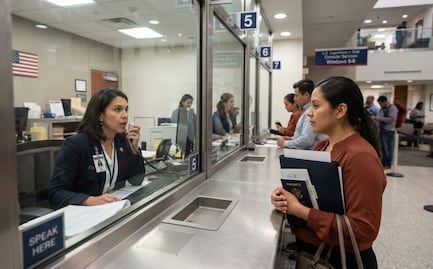
The consular interview is one of the moments that causes the most nervousness among those applying for the B1/B2 American tourist visa for the first time. Although it usually lasts only a few minutes, the consular officer's ability to confirm that the applicant meets the requirements to temporarily enter the United States and will return to their country at the end of the trip depends on that conversation.
According to the United States Department of State, officers evaluate the information on the DS-160 form, the purpose of the trip, the applicant's financial capacity, and their ties to their country of residence.
Many of the questions asked in the interview are frequently repeated because they are designed to verify the consistency of the data provided and to better understand the traveler's personal circumstances.
Recommended


The key is not to memorize answers, but to respond with honesty, clarity, and consistency with the information previously registered in the application.
1. Where are you traveling to in the United States?
The officer expects the applicant to know their main destination. It is recommended to mention the city or state you plan to visit, especially if the trip is for tourism or family purposes.

2. What is the purpose of your trip?
This is one of the most important questions. The officer seeks to confirm that the planned activities are compatible with a tourist visa. Answers such as tourism, vacation, family visit, or attending permitted events are usually sufficient when they reflect the reality of the trip.
3. How long will you stay in the United States?
The length of the stay helps determine if the trip is reasonable and temporary. The answer should match what was declared on the DS-160 form and the travel plans presented during the interview.
4. When do you plan to travel?
The official may ask for approximate departure and return dates. It is not mandatory to have tickets purchased, but you should have a clear idea of the period during which the trip will take place.
5. Who are you traveling with?
The answer allows the information provided on the form to be verified. If you are traveling with family, a partner, or friends, it is important to state who they are and what your relationship with them is.
6. Where do you work and since when?
Employment is one of the elements that most helps demonstrate ties to the country of origin. For this reason, officers often ask about the company, the position, length of employment, and the activities the applicant performs.
7. How much do you earn?
Income allows the officer to evaluate whether the applicant has sufficient resources to pay for their trip. The answer must be accurate and consistent with the financial situation declared during the process.
8. Who will pay for the travel expenses?
Whether the trip is financed by the applicant themselves or by a family member, the officer wants to know where the financial resources for the stay in the United States will come from.
9. Where will you stay?
This is a question intended to know your travel plans. It may be enough to mention the name of the hotel, reserved accommodation, or the home of family or friends where you will stay during your visit.
10. Do you have family in the United States?
The existence of relatives in United States territory does not automatically imply a denial. However, the officer expects the answer to be completely truthful and match the information presented in the DS-160 form.
11. Have you traveled to the United States before?
Travel history can serve to demonstrate previous experiences of immigration compliance. If the applicant has visited the United States previously, it is advisable to mention the dates and destinations visited.
12. Have you traveled to other countries?
Although it does not appear in every interview, international history helps the consular officer to better understand the applicant's travel background and verify that they usually return to their country after visiting abroad.
Although the questions may seem simple, they all point to the same goals: to confirm that the trip has a legitimate purpose, that the applicant has the resources to carry it out, and that they have solid reasons to return to their country once the visit is over.
The United States Department of State notes that consular officers evaluate each case individually and consider factors such as employment, family situation, assets, travel history, and personal circumstances when making a decision.
Therefore, the best strategy to face the interview is not to learn answers by heart, but to perfectly know the information captured in the DS-160, respond sincerely, and maintain consistency throughout the entire conversation.
In many cases, a clear and consistent interview can last just a couple of minutes and be enough to obtain approval for a tourist visa.
Join our WhatsApp channel. VIVE USA is now available! Stay informed from your mobile device about the most relevant news regarding travel, work, life in the United States and Canada, celebrities, trends, and much more.

[Publicidad]