

Recommended
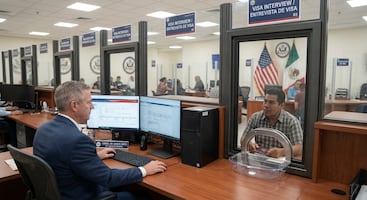

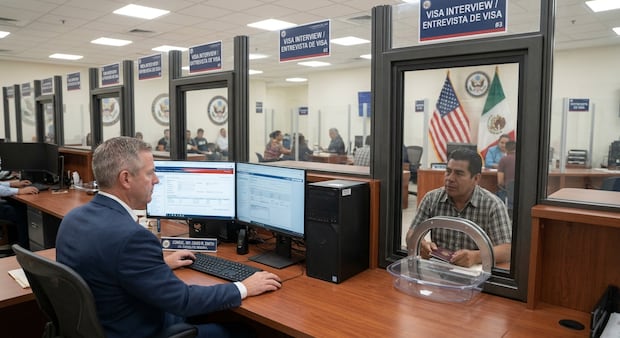
Every year, thousands of people visit United States consulates to apply for a B1/B2 tourist visa. However, many interviews last only a few minutes before the consular officer communicates a denial.
Although applicants often think the result depends on the amount of documents they present, the Department of State notes that the decision is based primarily on whether the individual meets the requirements established by U.S. immigration law.
According to official information from the Department of State, these are some of the most frequent reasons why a tourist visa may be rejected.
Recommended
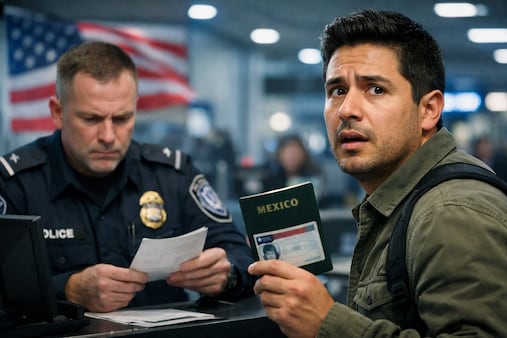
1. Failure to demonstrate sufficient ties to your country of residence
The most common cause for a denial is related to section 214(b) of the Immigration and Nationality Act.
U.S. legislation presumes that every non-immigrant visa applicant intends to remain in the country permanently unless they prove otherwise.
The consular officer evaluates factors such as employment, business, property, education, income, and family responsibilities to determine if the applicant has solid reasons to return to their country.
2. Giving inconsistent answers during the interview
Contradictions between what is stated in the DS-160 form and the answers provided to the consul can raise doubts about the applicant's credibility.
Consular officers are trained to detect inconsistencies related to the purpose of the trip, employment, income, family in the United States, or stay plans. When information does not match, the application can be rejected.
3. Not having a clear reason for travel
During the interview, the consul seeks to understand why the person wishes to visit the United States.
If the applicant cannot clearly explain their itinerary, the duration of the trip, or the activities they plan to engage in, the officer could conclude that they do not meet the requirements for the requested visa category.
4. Having previously violated immigration laws
Immigration history carries significant weight in the decision.
People who remained in the United States longer than permitted, worked without authorization, or breached the conditions of a previous visa may be considered ineligible to obtain a new visa.
5. Providing false information
Lying or concealing information during the process can have serious consequences.
The Department of State warns that fraudulent statements, the presentation of forged documents, or the deliberate omission of relevant data can result in a denial and even generate long-term immigration bars.
6. Having a criminal record or issues related to the law
Some criminal records can make a person inadmissible to enter the United States.
Depending on the type of crime, the applicant might require an immigration waiver or face a direct visa denial. Each case is evaluated individually in accordance with U.S. legislation.
7. Not presenting sufficient information for the consul to make a decision
In certain cases, the application is not definitively rejected, but is held under section 221(g).
This occurs when the officer needs additional documents or requires an administrative review before issuing a final decision. As long as the process is not concluded, the visa cannot be approved.
8. Failing to convince the officer that the visit will be temporary
The B1/B2 visa is designed for tourism, temporary business trips, or family visits.
If the officer perceives that the applicant might attempt to live, work, or remain indefinitely in the United States, they may deny the application for failing to overcome the presumption of immigrant intent established by law.
Does bringing more documents guarantee approval?
Not necessarily. The Department of State reminds that the decision does not depend on presenting folders full of papers. Consular officers take into account the information contained in the application, the interview, and the applicant's history to determine if they meet the legal requirements of the visa.
Therefore, a brief interview does not mean the case was analyzed superficially. In many cases, the consul already has most of the information before starting the conversation and uses those few minutes to clarify specific aspects and confirm the applicant's eligibility.
U.S. authorities insist that there is no magic answer or document that guarantees visa approval. The most important factor is convincing the consular officer that the trip will be temporary and that there are sufficient personal, economic, and family ties that motivate the return to the country of residence once the visit is concluded.
Join our WhatsApp channel. VIVE USA is now available! Stay informed from your mobile device about the most relevant news regarding travel, work, life in the United States and Canada, celebrities, trends, and much more.

[Publicidad]