

Recommended

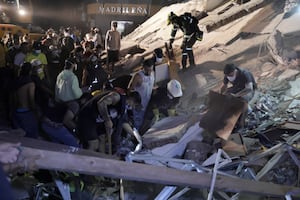

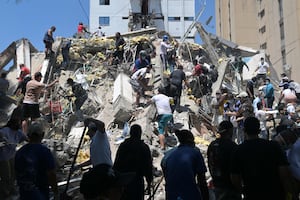
For those who remain trapped in the rubble after an earthquake, survival depends on many factors, including weather and access to water and air.
Experts point out that if injuries are not too severe, victims can survive a week or more, provided the weather is not too hot or too cold.
Rescue teams are working against the clock in search of survivors two days after a powerful, deadly earthquake shook western Colombia.
¿Cuánto tiempo puede sobrevivir una persona atrapada tras un sismo?
Most rescues occur in the 24 hours following a disaster. Experts indicate that the odds of survival decrease with each passing day after that. Most victims suffer serious injuries or are buried by falling rocks or other debris.
After the 2011 earthquake and tsunami in Japan, a teenager and her 80-year-old grandmother were found alive after remaining trapped in their crushed house for nine days. And the year before, a 16-year-old Haitian girl was rescued from the rubble of the earthquake in Port-au-Prince after 15 days.
Agua y aire son cruciales a medida que pasa el tiempo
Trapped victims are more likely to survive if they are in a pocket free of debris that prevents serious injury while awaiting rescue, such as under a sturdy desk, explained geophysicist Victor Tsai of Brown University. Experts call this a “habitable void space.”
¿Qué factores aumentan las posibilidades de sobrevivir bajo los escombros?
If fire, smoke, or dangerous chemicals were released as a result of a building collapse, it can reduce a person's chances of survival, warned emergency response expert Dr. Joseph Barbera of George Washington University.
Beyond that, having air to breathe and water to drink is crucial as the days go by.
“You can survive for a while without food,” stated Barbera. “You can survive for less time without water.”
Temperatures where someone is trapped can affect survival, and temperatures outside the rubble can influence rescue missions.
In Colombia, where governments from across Latin America have offered aid, authorities have noted that most earthquake deaths occurred in the cities of Cali, Pereira, Manizales, and Quibdó, but there is less information about rural areas.
There have been signs of hope, including the case of a 32-year-old woman who was pulled from a collapsed building in Pereira after remaining trapped for 36 hours.
Barbera indicated it may be important for survivors to receive vital medical attention before being removed from the rubble. Otherwise, the buildup of toxins from crushed muscles could cause them to go into shock after being rescued.
¿Qué hacer si quedas atrapado entre los escombros después de un sismo?
Best practices for surviving an earthquake depend on where in the world you are. Building codes in regions with active faults are usually designed to withstand tremors, but this is not the case everywhere.
In many countries, including the United States, the recommendations are to drop, cover, and hold on, unless you are near an exit to the building. Take shelter under a heavy table or near sturdy furniture that can create a habitable pocket if the ceiling collapses. Cover your face with a cloth or mask to protect yourself from dust and debris.
If someone is trapped in the rubble after an earthquake, they should conserve energy and not overexert themselves. Ration food and water, listen for rescue calls, and look for something nearby to make noise with. If you have a phone, conserve the battery and try to call for help in short intervals each day.

[Publicidad]