

Recommended

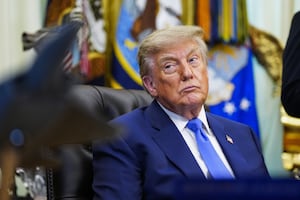


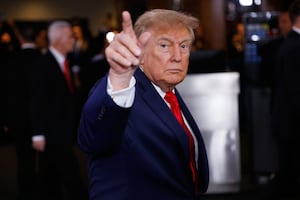
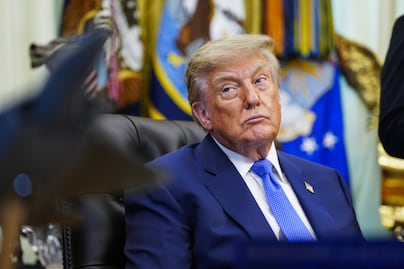
A fortune... for nothing. The setback for Donald Trump and the Republicans in the midterm elections in the United States is also Elon Musk's, along with his multi-million dollar campaign funding for the president's party candidates.
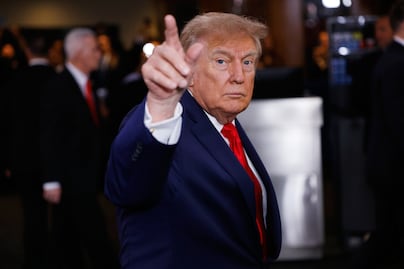
The world's richest man injected nearly 500 million dollars to support Republicans—who suffered a crushing defeat at the polls on Tuesday—in a country where the Supreme Court has virtually eliminated all limits on permitted election spending.

For Musk, a Trump ally, the bitterest pill was, without a doubt, the clear defeat of ultra-conservative Ken Paxton in the race to choose one of the two senators for Texas, the state where the businessman decided to move most of his companies from California.
Recommended
Sheinbaum rompe el silencio sobre la derrota de Trump: esto dijo de las elecciones en EU
¿Quién ganó en Texas? Latinos hacen historia en elecciones intermedias; rompen tradición republicana de más de 30 años
Golpe a Trump y derrota republicana: Demócratas recuperan el control del Congreso de Estados Unidos

¿Trump atacará Irán después de las elecciones? EU pide a sus aliados prepararse

Trump contempla usar contra Irán la “madre de todas las bombas”: así es el arma no nuclear
La Casa Blanca responde a derrota republicana con mensaje desafiante: "Trump sigue siendo su presidente"
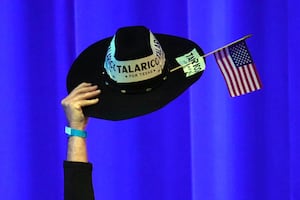
Despite the fact that the owner of SpaceX and Tesla shelled out more than 220 million dollars in favor of the former Texas Attorney General, whose long career is peppered with scandals, it was James Talarico, a 37-year-old Democrat relatively new to politics, who won the senate seat.
"We just proved that all the money in the world is no match for the people of Texas," celebrated this former high school teacher who worked in a poor neighborhood of San Antonio.
On Wednesday, Musk—the biggest "megadonor" of these elections—was sarcastic about the series of hard setbacks suffered by the Republicans, who lost control of both chambers of Congress.
"I get the impression that the interference of my space lasers in the elections hasn't worked this time," the billionaire quipped.
In another concise message on the social network X, he expressed his concern about a possible slowdown in the installation of data centers dedicated to artificial intelligence.
"Data centers in space seem particularly attractive now," he commented.
- Historical spending record -
Advertising investment in the midterm election campaign is expected to reach a record figure of 11.6 billion dollars, according to projections by the specialized firm AdImpact. An amount higher than that allocated to the 2024 presidential elections.
The organization OpenSecrets, which analyzes political funding, estimates the figure at 11.9 billion dollars for the 2026 election cycle.
In Texas alone, spending exceeds 500 million dollars. A third of the major donors come from the technology sector, particularly from the fields of artificial intelligence and cryptocurrencies.
To say that some have not obtained the expected return on their investment is an understatement.
The defeat of "big money"—the term Americans use to refer to massive funding from interest groups, whether in the political sphere or the business world—is, in fact, confirmed by other matchups in these elections.
Businessman Vivek Ramaswamy, who amassed a fortune in the biotechnology sector and had Trump's backing, was defeated by Democrat Amy Acton in the Ohio gubernatorial race.
The same occurred with Republican billionaire Rick Jackson, who finished far behind Keisha Lance Bottoms in the state of Georgia.
Doctor Abdul El-Sayed, one of the figures who marked these decisive elections after winning the Senate seat for Michigan against Republican Mike Rogers, states that the rival side spent more than 350 million dollars, a record figure in the state.
"We proved that in a fight between money and the majority, the majority really can win," he declared.

[Publicidad]