

Recommended



Halloween is one of the most popular celebrations in the world and every year it gathers millions of people who enjoy costumes, themed decorations, horror stories, and the traditional search for candy. In 2026, Halloween will be celebrated on Saturday, October 31st, a date that will allow many families and groups of friends to enjoy a weekend full of activities related to this holiday.
Although Halloween is currently associated with parties, lit pumpkins, and children walking the streets in search of candy, its origin dates back thousands of years and is related to ancient beliefs about the spirit world.
What is the origin of Halloween?
The roots of Halloween are found in the ancient Celtic festival known as Samhain, a pagan celebration that marked the end of the harvest season and the beginning of winter. For the Celtic peoples, the night of October 31st had a special meaning, as they believed that the boundary between the world of the living and the world of the dead became thinner.
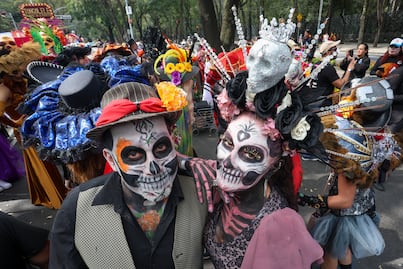
According to these beliefs, spirits could return to Earth during that night. To protect themselves, communities lit large bonfires and wore costumes or masks with the goal of scaring away supernatural entities and avoiding being recognized by them.
Over the centuries, the holiday transformed. In the 8th century, Pope Gregory III established All Saints' Day on November 1st. The night before began to be known as All Hallows' Eve, a name that eventually evolved into "Halloween."
Why is Halloween celebrated on October 31st?
Halloween is celebrated on October 31st due to its historical relationship with the Samhain festival. For the ancient Celts, this date marked the end of summer and the beginning of the dark season of the year.
The tradition survived through different generations and cultures until it became a popular celebration in countries such as the United States, Canada, Ireland, and the United Kingdom. Currently, the date retains elements of those ancient beliefs, although most modern activities are recreational and family-oriented.
The most popular symbols of Halloween and their meaning
Jack-o'-Lanterns or carved pumpkins
The famous lit pumpkins have their origin in an Irish legend starring Stingy Jack, a character condemned to wander the world with a lit coal inside a carved turnip.
When Irish immigrants arrived in the United States, they discovered that pumpkins were more abundant and easier to work with than turnips, so the tradition evolved into one of the most recognizable symbols of Halloween.
Ghosts and supernatural tales
Ghost stories are directly related to the Celtic belief that spirits returned during the night of Samhain. For this reason, tales of apparitions and paranormal events are part of the essence of the celebration.

Black cats
Since the Middle Ages, black cats have been associated with witchcraft and occult practices. This relationship made them one of the traditional symbols of Halloween, although various animal protection organizations currently promote eliminating the stigmas that affect their adoption.
The colors orange and black
Orange symbolizes the autumn harvest and the abundance of the agricultural season. Black, for its part, represents darkness, the end of summer, and the arrival of winter, concepts linked to ancient Celtic festivities.
Bats
The presence of bats at Halloween has its origin in the huge bonfires lit during Samhain. Insects attracted by the fire called these animals, which over time were related to the mysterious and the supernatural.
Where does "trick or treat" come from?
One of the most beloved traditions of Halloween is the famous "trick or treat," in which children visit houses in costume to ask for candy.
The origin of this custom is also related to ancient Celtic traditions. For centuries, some communities left food for the spirits as a way to gain their favor. Later, during the Middle Ages in Great Britain and Ireland, a practice known as "souling" emerged, in which children and adults went from house to house asking for food or money in exchange for prayers for the dead.
Among the most popular foods were small breads or cakes prepared with ingredients like cinnamon, nutmeg, raisins, and ginger, which symbolized the soul of a deceased person.
Over time, young people began to combine this tradition with costumes and performances of songs, poems, pranks, or small tricks in exchange for fruit, money, or food.
How did "trick or treat" arrive in the United States?
The tradition arrived in the United States thanks to Irish immigrants who arrived in the country during the Great Potato Famine that occurred in the 1840s.
At the beginning of the 20th century, "trick or treat" was already part of many Halloween celebrations. However, during the Great Depression, some groups of young people used the date to perform acts of vandalism.
After World War II, community and advertising campaigns helped to recover the family-friendly nature of the tradition. It was then that candy became the star of the celebration and thousands of children began to tour American suburbs with the phrase: "trick or treat!", just as happens today.
Halloween is much more than costumes and candy. It is a celebration with more than two thousand years of history that combines Celtic beliefs, medieval traditions, and modern customs. From lit pumpkins to the famous "trick or treat," each element has its own history and meaning.
Be part of our WhatsApp channel. VIVE USA is now available! Stay informed from your mobile device about the most relevant news on travel, work, life in the United States and Canada, celebrities, trends, and much more.

[Publicidad]