

Recommended

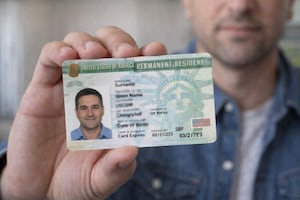

Having a valid visa does not automatically guarantee entry to the United States. Upon arriving at an airport, seaport, or land crossing, all travelers must pass an inspection conducted by U.S. Customs and Border Protection (CBP) officers, who have the authority to inspect documents, luggage, and even electronic devices to determine if a person is admissible to the country.
According to the U.S. Department of State, a visa only allows you to travel to a port of entry and request admission. The final decision to grant or deny entry rests with the CBP officer conducting the immigration inspection.
What do they check in your luggage?
During the inspection process, officers may examine luggage to verify that the items being transported comply with U.S. immigration, customs, and agriculture laws. According to CBP, all travelers and their belongings are subject to inspection upon entering the country.
The inspection may include checked bags, carry-on luggage, backpacks, and other personal items. Officers look for prohibited goods, restricted agricultural products, large amounts of undeclared cash, items subject to special regulation, or any element that could pose a risk to national security.
The inspection also helps to corroborate that the purpose of the trip matches the answers provided during the immigration interview.

Can they check your cell phone?
Yes. CBP notes that mobile phones, laptops, cameras, tablets, and other electronic devices may be inspected during a border search. However, the agency states that these inspections are uncommon. In fiscal year 2025, less than 0.01% of international travelers arriving at ports of entry had an electronic device search.
The immigration authority explains that these reviews contribute to detecting crimes such as visa fraud, human trafficking, smuggling, terrorism-related activities, and other law violations. Additionally, they can serve to determine a foreigner's true intentions when requesting entry into the country.
What type of information can they see?
According to official CBP policies, a basic search may consist of examining information stored directly on the electronic device. Officers may review photos, videos, messages, contacts, or other files stored locally on the equipment.
The agency also states that more advanced searches exist in certain circumstances, which are subject to additional requirements and internal oversight. Likewise, the regulations indicate that officers primarily look for information stored on the device and not information found exclusively in remote storage or cloud services.
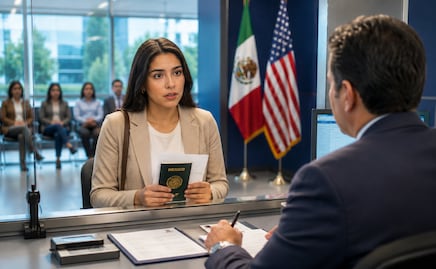
What questions usually accompany the search?
The immigration interview usually focuses on basic aspects of the trip: destination, reason for the visit, place of stay, duration of the stay, and dates of previous trips to the United States. The goal is to verify that the answers are consistent with the visa used and the information available to the authorities.
If an officer finds inconsistencies between the traveler's answers, the documents presented, or the information obtained during an additional inspection, they could send the visitor to a secondary inspection for more detailed questioning.
U.S. authorities recommend always answering honestly, carrying documents that support the purpose of the trip, and ensuring that the planned activities are compatible with the type of visa. The Department of State reminds the public that a B1/B2 tourist visa is intended for temporary activities such as tourism, family visits, or certain permitted business travel, but it does not authorize working in the United States.
Join our WhatsApp channel. VIVE USA is now available! Stay informed from your mobile device about the most relevant news on travel, work, life in the United States and Canada, celebrities, trends, and much more.

[Publicidad]