

Recommended


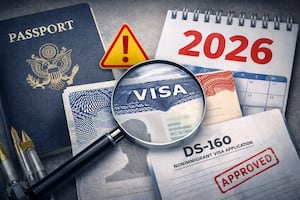
The interview to obtain a US visa usually lasts only a few minutes, but that brief encounter is decisive for the outcome of the application. Although many people believe that everything depends on the documents they bring, the consular officer also evaluates the consistency, credibility, and attitude of the applicant during the conversation.
According to the United States Department of State, applicants for non-immigrant visas must demonstrate that they meet the requirements of the requested category and that they plan to make a temporary visit. Therefore, certain behaviors can raise doubts or create a negative perception during the interview.
1. Contradicting the information on the DS-160 form
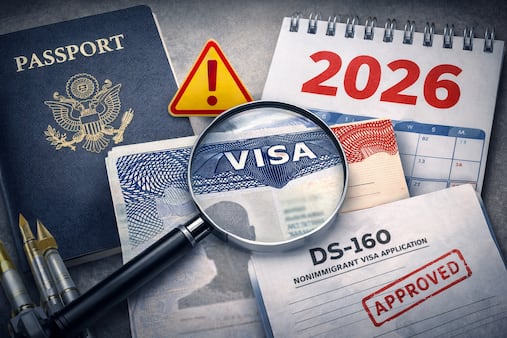
One of the most delicate errors is providing different answers than those previously registered in the DS-160 form. The officer has already reviewed much of your information before you reach the window, so inconsistencies are usually detected quickly.
Recommended

2. Giving vague answers about the reason for the trip
The purpose of the trip must be clear and match the visa category requested. If you cannot explain precisely why you want to travel to the United States, the officer could question your true intentions.
3. Saying you plan to work with a tourist visa
According to the Department of State, the B1/B2 visa is intended for tourism, family visits, shopping, medical treatments, and certain specific business activities. Indicating that you are seeking employment or that you plan to work during your stay can create an immediate problem in the interview.

4. Hiding relatives who live in the United States
If you have relatives in U.S. territory, it is recommended to answer honestly. Lying or omitting information can affect your credibility, especially because much of the data can be verified during the process.
5. Not knowing basic details of your trip
Not knowing which city you will travel to, how long you will stay in the United States, or where you will stay can cause a bad impression. Officers usually expect the applicant to know the fundamental aspects of their own trip.
6. Exaggerating income, assets, or employment status
Some people believe that inflating salaries or assets will increase their chances of approval. However, any data that is not credible or that contradicts the information presented can raise doubts about the veracity of the entire application.
7. Bringing fake or altered documents
Presenting fraudulent information is one of the most serious situations during a visa application process. In addition to affecting the current application, it can have consequences for future visa petitions.
8. Talking too much and straying from the questions
Consular officers conduct brief and direct interviews. Responding with long stories, unnecessary information, or details that were not requested can cause confusion and lead to additional questions.
9. Showing nervousness when answering basic questions about your life
It is normal to feel tense during the interview, but constantly hesitating when talking about your job, income, studies, or family situation can cause the officer to request additional clarifications. The important thing is to answer naturally and confidently.
10. Not demonstrating ties to your country of residence
U.S. immigration law states that applicants for non-immigrant visas must convince the officer that they will return to their country after the trip. Therefore, professional, family, academic, and economic stability is usually a relevant element during the evaluation.
What is the consul really looking for during the interview?
More than the way you dress or the number of documents you bring, the consular officer looks for coherent, honest answers that are consistent with the information presented in the application. They also evaluate whether the reason for the trip is legitimate and whether the applicant meets the requirements for the visa requested.
Join our WhatsApp channel. VIVE USA is now available! Stay informed from your mobile device about the most relevant news on travel, work, life in the United States and Canada, celebrities, trends, and much more.

[Publicidad]