

Recommended



The top national security officials of the United States emphasized before Congress on Wednesday that they have no evidence of coordinated cyberattacks against the country, following recent computer failures that have affected air traffic control, the National Security Agency (NSA), and the operations of various companies.
"At this time, there is no indication of any malicious cyber activity related to any of these incidents," explained Christopher Raia, Deputy Director of the FBI, regarding the incidents of the last week before the House Homeland Security Committee.
Both the Secretary of Homeland Security, Markwayne Mullin, and the Director of National Intelligence, Jay Clayton, insisted on the message conveyed by Raia, just as other representatives of the administration of U.S. President Donald Trump have done, who have pointed to simple telecommunications glitches.
Recommended
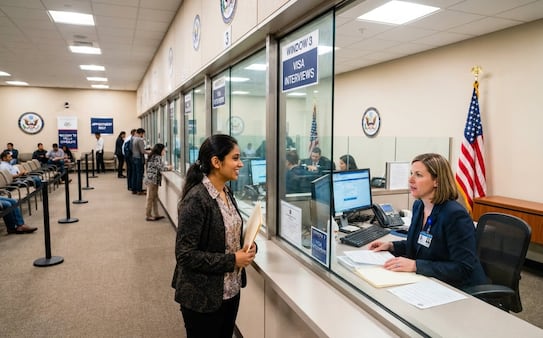
¿Viajas por primera vez a Estados Unidos? Esto es lo que el cónsul quiere saber de ti en la entrevista de visa americana

A los 61 años, Elizabeth Hurley seduce con vestido rojo de transparencias en Los Ángeles

Emma Coronel sorprende con look militar y pantalón cargo: el VIDEO que causa furor en redes


In addition to the failure that grounded commercial flights across the country for four hours last Friday and the one that affected the NSA's classified messaging network on Tuesday, various recent computer problems paralyzed the global email system offered by Microsoft as well as services for the airline United Airlines and several large U.S. banks.
At the same time, Mullin praised the role and response to threats of the Cybersecurity and Infrastructure Security Agency (CISA), but noted, after saying in June that the agency should hire 600 additional officials, that it would be advisable to increase its staff and for Congress to authorize those hires.
The three senior officials also defended the need for Congress to renew the provision—Section 702 of the Foreign Intelligence Surveillance Act (FISA)—which allows the United States to conduct electronic surveillance against non-U.S. citizens located outside the country without the need for a traditional individual court order.
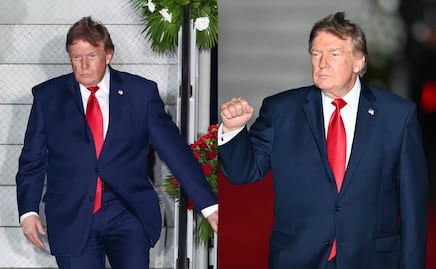

"Without Section 702 of FISA, we go from being able to perform tasks in a matter of minutes or hours to needing days or weeks. That represents a danger to the American people," Mullin explained regarding the need to renew the provision before March.
For his part, Clayton defended the provision as "indispensable" to protect the country and stressed that "foreign adversaries are more sophisticated today and more determined than ever to cause harm to the American people."
The Director of National Intelligence also assured that the government remains focused on detecting possible threats from Iran "both outside and within the United States."



[Publicidad]