

Recommended





The Pan American Health Organization (PAHO) has issued an epidemiological alert due to the rise in measles cases across the American continent, with Mexico among the countries with the highest number of infections. The situation has raised health alarms due to the nature of this highly contagious disease.
- VISITA: Sarampión México 2026. ¿Necesito ponerme un refuerzo si ya tengo mis dos dosis?
- VISITA: Esto pasa si detectan sarampión en tu colonia: Vacunación en 26 manzanas a la redonda
In light of this scenario, health authorities are reinforcing the call for vaccination as the most effective tool to prevent outbreaks. Institutions such as the Centers for Disease Control and Prevention (CDC) and the Mexican Social Security Institute (IMSS) agree that immunization is key to protecting the population.
- VISITA: ¿Te vacunaron de bebé? Quiénes SÍ deben vacunarse hoy contra el sarampión
- VISITA: Sarampión escuelas Edomex: SEP activa filtro sanitario; padres piden clases a distancia
The triple viral vaccine, known as SPR or MMR, protects against measles, rubella, and mumps, and is part of the Universal Vaccination Program, but not everyone can be vaccinated.
Health authorities and experts from the National Autonomous University of Mexico (UNAM) agree that adults over 50 years of age do not need to be vaccinated against measles if they already developed natural immunity in their youth, according to the Gaceta UNAM. Why? This is what experts say about the measles vaccine for adults over 50.
- LEE MÁS: Sarampión en México: ¿En qué estados es obligatorio el cubrebocas? ¿vuelve a las escuelas en CDMX?
¿Por qué los adultos mayores de 50 NO deben vacunarse?
This criterion, which indicates that adults over 50 years old do not need to be vaccinated against measles, is based on the fact that when this segment of the population was younger, the transmission of the virus was very high, and most of these individuals likely contracted the disease, ensuring long-term protection.
"In general, a high proportion of young people and adults have a good vaccination record. However, the recommendation is that people under 50 should get vaccinated," suggests Samuel Ponce de León Rosales, coordinator of the University Program for Research on Epidemiological and Emerging Risks at the National Autonomous University of Mexico.
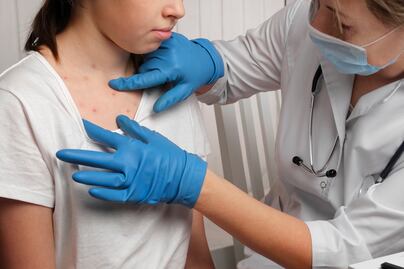
"Those over 50 years of age do not require the vaccine because when they were minors, measles transmission was very intense and it is almost certain that they suffered from it and, therefore, are immunized against it," he explains in the Gaceta UNAM.
Measles is a highly contagious viral disease caused by a virus transmitted through droplets when talking, coughing, or sneezing, and can affect both children and adults. In recent years, there has been a resurgence of cases in several countries, including Mexico, partly due to a decrease in vaccination coverage below the 95% threshold necessary to prevent transmission.
According to UNAM experts, the current vaccination schedule recommends two doses of the triple viral vaccine (measles, rubella, and mumps): the first at 12 months of age and the second around six years old. Maintaining this complete schedule is fundamental for the prevention of the disease and its complications.
Meanwhile, people under 50 who are not sure if they have received both doses of the vaccine should get vaccinated or update their schedule, as they are more susceptible to the current resurgence of outbreaks. The recommendation applies especially if they have no proof of vaccination or have an incomplete schedule.
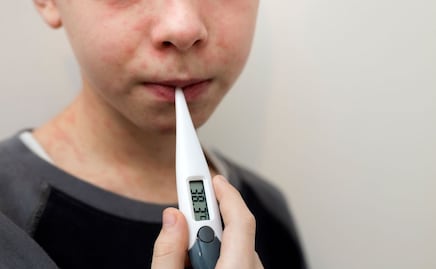
Public health specialists also point out that some adults may need an additional dose if they do not have documentation in their health record regarding their immunization or if they present risk factors such as a lack of serological evidence of immunity. In the context of outbreaks or international travel, seeking medical advice is recommended to determine if revaccination or a booster dose is appropriate.
¿Quiénes NO deben vacunarse contra el sarampión en 2026?
In addition to all those over 50 years of age, there are other segments of the population that should not be vaccinated against measles in 2026. Health authorities warn that there are specific cases in which the administration of the triple viral vaccine should be postponed or avoided to prevent health risks.
Among those who should consult their doctor first are people with severe allergies to the vaccine, pregnant women, patients with a weakened immune system, a history of bleeding, recent blood transfusions, or those who have received other vaccines in recent weeks. There are also special recommendations for those who have a history of seizures or take certain medications.



[Publicidad]