

Recommended


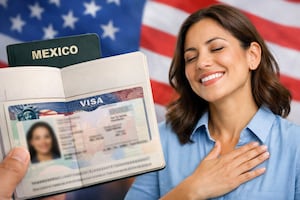
The consular interview is one of the stages that generates the most uncertainty among those applying for the B1/B2 American tourist visa. Although the process begins much earlier with filling out forms and paying fees, it is in front of the consular officer that the final decision to approve or deny the application is made.
During this brief conversation, the official seeks to confirm the information provided by the applicant and determine if they meet the requirements to temporarily enter the United States. Therefore, being prepared and answering clearly can make a big difference.
Las 9 preguntas más comunes en la entrevista de visa americana
Every case is different, but there are some questions that are frequently repeated during interviews:
1. ¿A qué lugar de Estados Unidos viaja?
The officer wants to know the specific destination of your trip. It is recommended to answer concretely and mention the city or state you plan to visit.
2. ¿Cuál es el motivo de su viaje?
You must explain if you will be traveling for tourism, shopping, family visits, business, or any other activity permitted by the visa applied for.
3. ¿De cuánto tiempo será su estancia y cuándo piensa partir?
This question helps to demonstrate that your trip will be temporary and that you have an estimated date to return to Mexico.
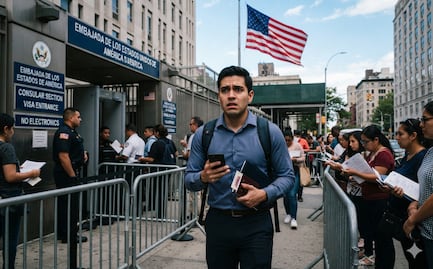
4. ¿Con quién viaja?
The officer may ask if you will be traveling alone, with family members, friends, or coworkers.
5. ¿Dónde trabaja? ¿Desde cuándo labora ahí y qué actividades realiza?
Stable employment is usually an important element to demonstrate ties to Mexico. Therefore, it is advisable to know your job details perfectly.
6. ¿Quién pagará los gastos de su viaje?
You must explain if you will be covering the expenses yourself or if a third party will be financially responsible for the trip.
7. ¿Dónde se hospedará?
It is convenient to have defined the place where you will stay during your visit, whether it is a hotel, a rented property, or the home of a family member.
8. ¿Tiene familiares en Estados Unidos?
The answer must be honest and match the information previously provided in the form.
9. ¿Ha viajado o estado antes en Estados Unidos?
Travel history can be a factor that helps the officer better understand your immigration background.
No te confíes: lleva documentos de respaldo
Although the consular officer generally only requests the passport and the DS-160 form confirmation page, it is recommended to bring additional documentation that can support your answers if required.
Documents that may prove useful include employment letters, proof of income, bank statements, pay stubs, tax return receipts, and even a professional license. For students, a letter issued by the educational institution can help demonstrate that they will continue their academic activities upon returning to the country.
These documents are usually used to prove financial solvency, job stability, and ties to Mexico, factors that can be relevant during the evaluation of the application.
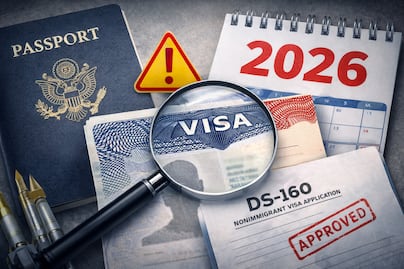
La regla de oro: decir la verdad y ser claro
One of the most common mistakes is providing information different from that registered in the DS-160 form. The interview is based precisely on the data captured in that document, so any contradiction can generate more questions and complicate the process.
Specialists recommend answering only what is asked, without extending unnecessarily or inventing stories to impress the officer. Clarity, honesty, and consistency between the answers and the information on the form are usually keys to developing a smooth interview.
In summary, preparing in advance, knowing the details of your application, and keeping calm during the interview can increase the chances of obtaining the American visa and avoid setbacks at one of the most important moments of the process.
Join our WhatsApp channel. VIVE USA is now available! Stay informed from your mobile device about the most relevant news regarding travel, work, life in the United States and Canada, celebrities, trends, and much more.

[Publicidad]