

Recommended
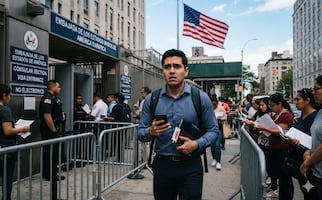
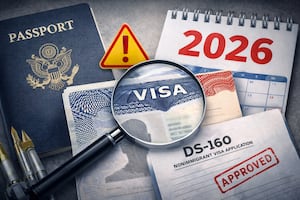

Can your social media activity affect the approval of a US visa? The short answer is yes: United States immigration authorities can review publicly available information on the internet as part of their verification and security processes.
However, this does not mean that a consular officer will personally check your phone during the interview. What does happen is that the digital presence of some applicants may be part of the immigration assessment.
¿La embajada revisa tus redes sociales?
The U.S. Department of State has indicated that it uses all available information during its review and verification processes to determine the applicant's identity and to verify whether they meet the admissibility requirements established by U.S. law.
Furthermore, since 2019, applicants for both immigrant and non-immigrant visas must provide the identifiers or usernames of the social media accounts they have used over the past five years on their immigration forms.
This means that platforms like Facebook, Instagram, TikTok, X, LinkedIn, or YouTube may be part of the information that authorities have available when analyzing a visa application.
El cambio que encendió las alertas en 2025
In June 2025, the Department of State announced an expansion of controls for student and exchange visa applicants in the F, M, and J categories. As part of these measures, applicants were asked to set their social media profiles to public to facilitate identity and admissibility checks.
The U.S. Embassy in Mexico confirmed the implementation of this measure and explained that the goal is to carry out a more thorough review of the online presence of those applying for these types of visas. According to the diplomatic mission, the review of digital activity is part of the national security actions implemented during the visa issuance process.
¿Qué tipo de publicaciones podrían generar problemas?
U.S. authorities do not publish an exact list of prohibited posts. However, they have stated that they use the checks to detect possible security risks, immigration fraud, or inconsistencies in the information provided by applicants.
In practice, a problem may arise when public information on social media contradicts the data provided in the visa application. For example:
Claiming to work at a specific company, but providing different employment information in the application.
Reporting an academic level that does not match the trajectory shown publicly.
Declaring a purpose for travel that differs from what is expressed in open posts.
Omitting relevant information that later appears in public digital profiles.
Threats to the security of the United States, such as intent to commit attacks, riots, or ideological opposition.
Inconsistencies can raise doubts about the veracity of the application and prompt additional questions or even a denial.
¿Te pueden negar la visa únicamente por una publicación?
There is no rule stating that a single Facebook, Instagram, or TikTok post automatically causes a visa denial. Each case is evaluated individually, considering the entirety of the information available to the consular officer.
However, U.S. authorities have warned that omitting required information or providing false data on immigration forms can lead to a visa denial and even affect future applications.
Immigration specialists advise that all information contained in the DS-160 form be consistent with the applicant's employment, academic, and personal reality, including what can be found on the internet. They also recommend carefully reviewing the data provided before submitting the application.
The key is not to delete profiles or posts in a rush, but to ensure that the information presented to the authorities is true, complete, and consistent with the applicant's history.
Although no one will take your phone to check it during the U.S. visa interview, authorities can check public information available on social media and other online sources.
For some visa categories, such as student and exchange visas, the review of digital presence has become even stricter. Therefore, maintaining truthful and consistent information on the DS-160 form and in public profiles can be an important factor during the immigration process.
Be part of our WhatsApp channel. VIVE USA is now available! Stay informed from your mobile device about the most relevant news on travel, work, life in the United States and Canada, celebrities, trends, and much more.

[Publicidad]