

Recommended




The advancement of artificial intelligence and the projections regarding the power it will have in the future are putting human daily life, jobs, security, and well-being at stake.
Regarding the effects that its use is already having, an expert opined that humanity would be better off if it had never been developed.
- LEE MÁS: Trump acerca todavía más a Natalie Harp: le asigna un lugar en su comedor privado en la Casa Blanca
Geoffrey Hinton, one of the pioneers of artificial intelligence, recently stated that it would be best today if humans had never developed AI and warned that it could trigger a large-scale incident soon.
Recommended
"Los días más difíciles de mi vida": Jesús Owono rompe el silencio tras la muerte de Jesús de Miguel
La Casa Blanca responde a derrota republicana con mensaje desafiante: "Trump sigue siendo su presidente"
"Mis láseres espaciales no funcionaron": la irónica reacción de Elon Musk tras la derrota de Trump en las elecciones de EU
Sheinbaum rompe el silencio sobre la derrota de Trump: esto dijo de las elecciones en EU
Golpe a Trump y derrota republicana: Demócratas recuperan el control del Congreso de Estados Unidos
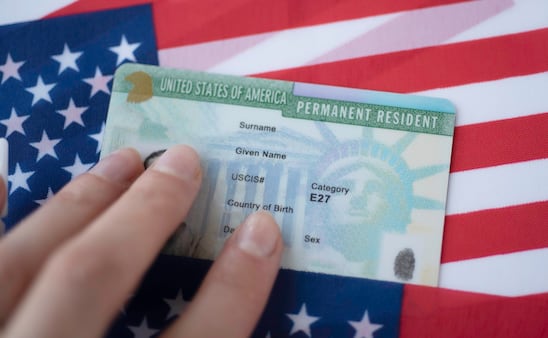
Cómo pasar de visa de turista a residencia permanente: 5 opciones legales en Estados Unidos
Kim Kardashian impacta con diminuta cintura irreal y vestido strapless en Nueva York
Corea del Norte amenaza con responder con más fuerza a la "política hostil" de Estados Unidos
¡De una mansión de 10.5 millones a vivir en hoteles! Nicolas Cage revela que está sin hogar

Ninel Conde luce irreconocible en nuevas fotos: la critican por abusar de la IA y cirugías plásticas
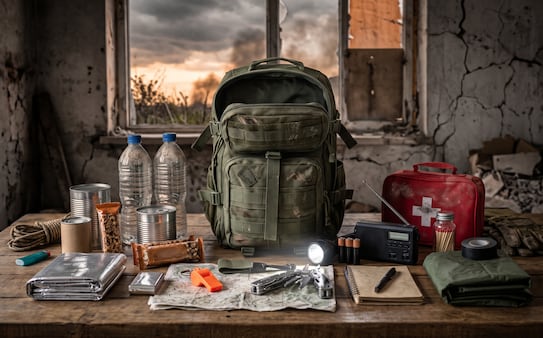
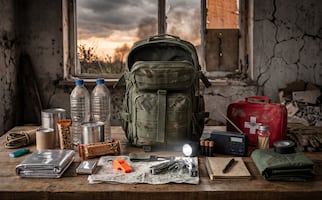
México se suma a las alertas internacionales: pide preparar una Mochila de vida ante emergencias
The computer scientist and Nobel Prize winner said in an interview that AI can offer a "wonderful future," but "we might have been better off never having developed it."
- NO TE PIERDAS: Alerta de emergencia en Estados Unidos: FEMA interrumpirá la televisión y la radio por esta razón
In addition to this, he stated that in less than a decade, humans will know if they can manage technological risks or if "they fail at risk management and we have a huge gap between the rich and the poor, enormous cultural problems, mass unemployment, and a crumbling society."
According to the expert's prediction, an event similar to Chernobyl will occur in the future, but the nuclear incident will actually be an artificial intelligence attack on electricity generation systems, capable of causing "a massive blackout" or accidents that paralyze the financial system for a week, affecting the entire world and even putting it at risk.
To prevent this from happening, the expert suggests creating a regulatory system for its use at the technological, corporate, and governmental levels, with mandatory tests for cutting-edge AI models, independent evaluation, and common intergovernmental standards; this type of regulation is also being promoted by countries such as Germany, Canada, Finland, and Australia.
"We need something similar to the US FDA for drugs, where companies must present solid statistical evidence to an independent authority proving that the AI model produces more benefits than harm before its release," he said.
In addition to those statements, the Nobel laureate in physics criticized the billionaires driving the advancement of AI, accusing them of pushing its growth solely for the "eagerness" to make money and gain a certain supremacy within the industry: "They couldn't care less, they prefer the money," he noted while speaking about figures such as Elon Musk, Sam Altman, or Mark Zuckerberg.
After working at Google for decades and contributing to the advancement of AI, Hinton warned in 2023 that there were critical risks if said tool continued to evolve: "If we get carried away by the desire to obtain more control, we will be in trouble."
Despite the critical outlook on the future of humanity coexisting with AI, the scientist has hope that the tool will function positively under control: "My intuition tells me that we still have control. It is very possible that we can do something. It will only work if we try very hard, but it is very possible that we will try very hard," he pointed out.

[Publicidad]