

Recommended


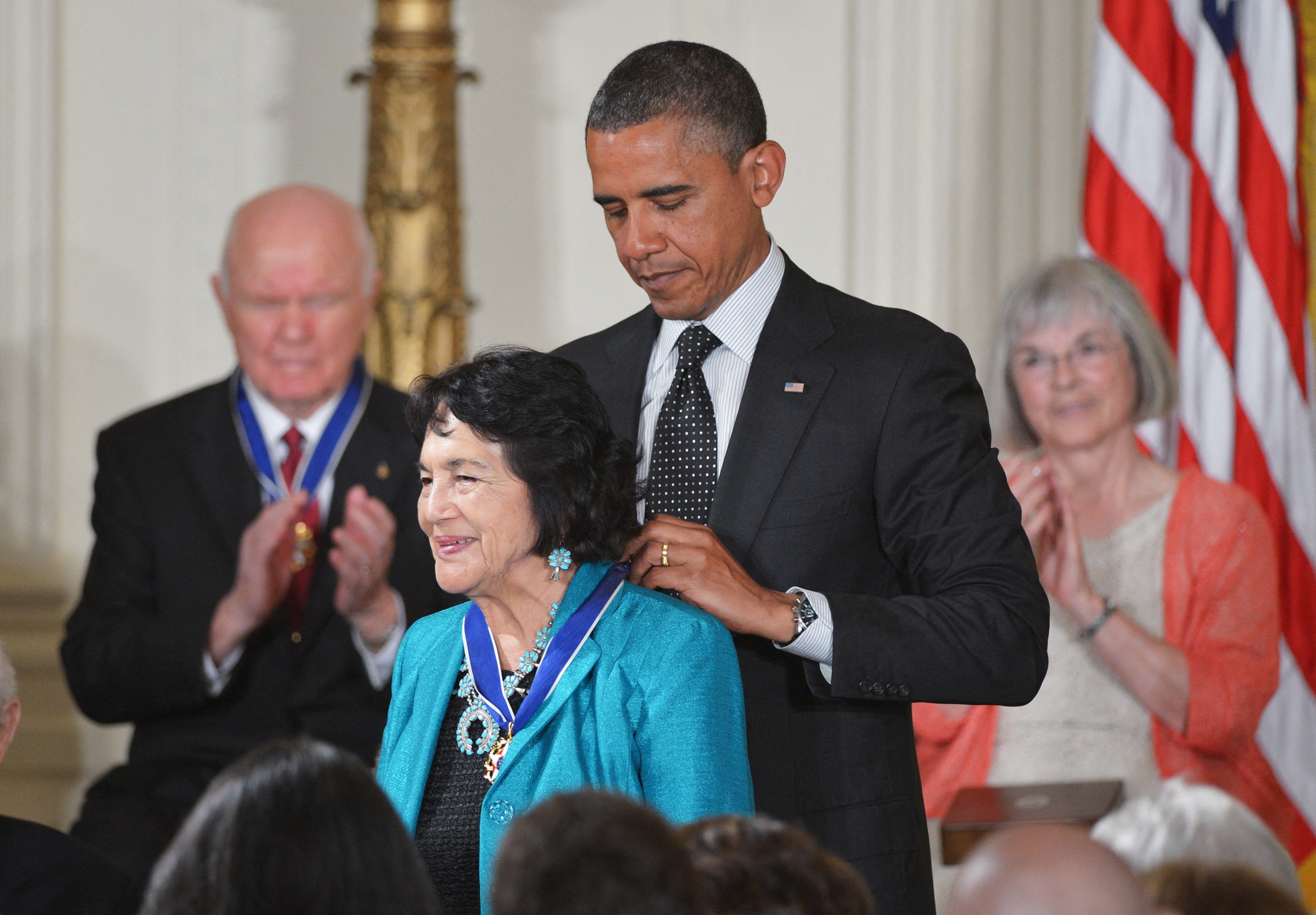


Engineer Cuauhtémoc Cárdenas, three-time candidate for the presidency of Mexico, son of a revered president, and an indisputable pillar of the Mexican left, died on Wednesday at the age of 92, confirmed the current president, Claudia Sheinbaum.
Respected by allies and critics alike, Cárdenas played a fundamental role in Mexico's transition toward democracy starting with his first attempt to reach the presidency in 1988. He was defeated by Carlos Salinas de Gortari, of the Institutional Revolutionary Party (PRI) which governed the country for almost the entire 20th century, in an election that was considered a major electoral fraud.
He was the first mayor of Mexico City elected by popular vote in 1997 and remained so consistent with his ideas that in 2014 he resigned from the party he founded in the late 1980s, the Party of the Democratic Revolution, because it was the party governing the state of Guerrero during the disappearance of the 43 teaching students, which was considered years later as a state crime.
Recommended

Súper Niño: el mapa apocalíptico que alerta de más de 850 mil muertes por calor extremo

Así rugió el monoplaza de Checo Pérez en Reforma: miles de fans celebran su regreso. VIDEO
¿Quién fue Dolores Huerta? La activista y líder sindical detrás del “Sí, se puede”

Meghan Markle y Harry mantienen a sus hijos alejados de Thomas Markle tras las acusaciones: esto dice su sobrina
¿Ayudó Milei a Flávio Bolsonaro a salir de Brasil? Esto se sabe del operativo


Critical at times but always elegant and discreet, he distanced himself from someone who had been his ally for years, Andrés Manuel López Obrador, ever since he founded Morena—a party to which Cárdenas never belonged—and especially after taking the presidency in 2018.
Nevertheless, the former president maintained total respect for the engineer, whom he described after his death as a "transformer," without whom the current Mexico would not be possible.
He was "a man of firm principles," a champion of "a peaceful democratic movement that channeled the longing for change of millions of Mexicans," said Sheinbaum on her X social network account.
"That historic election day, in which he should have been recognized as president, marked the beginning of the democratic transformation," she added. "His dignity and republican conviction remain as an essential reference for our nation."


Cárdenas, the son of a president who never stopped doing politics
Cuauhtémoc Cárdenas, born in Mexico City and a civil engineer by training, lived always under the weight of his father's surname, Lázaro Cárdenas, but without ever turning it into a cult. The general was one of the most popular presidents for the nationalization of the oil industry in 1938—a historic moment in Mexico—and for opening the country's doors to refugees of the Spanish Civil War.
He began his political career more than 50 years ago with the PRI, with whom he was a senator and later governor of the western state of Michoacán. But in the late 1980s, he began to lead a democratic current within that party, from which he eventually completely separated.
Together with other politicians, in 1989 he founded the PRD, for which he was a presidential candidate in 1994 and 2000, the year in which for the first time an opposition president, Vicente Fox, of the National Action Party, won.

"We were political adversaries, but we were united by something greater: the conviction that Mexico deserves a full democracy, freedoms, and a future of greater opportunities," stated Fox in a statement upon learning of Cárdenas' death.
Cárdenas always criticized any attempt to privatize Petróleos Mexicanos, especially during the reforms of the administration of the PRI member Enrique Peña Nieto (2012-2018) that opened the oil sector to private investment. But when López Obrador annulled them to strengthen the state energy companies, the engineer defended the need to reform Pemex and bet on promoting renewable energies.
Since March of this year, he held the position of honorary president of a Pemex advisory commission that must provide advice on future strategies.
He wrote several books about his political trajectory, his father's life, and his democratic ideals, which were praised inside and outside of Mexico.
He had three children with his wife, Celeste Batel, who has already passed away. One of them is Lázaro Cárdenas Batel, who is also a politician.


[Publicidad]